युद्ध के मैदान में किसी टैंक को एंटी-टैंक मिसाइल, रॉकेट या दूसरे हथियार से नुकसान पहुंचने का सबसे बड़ा खतरा केवल कवच के टूटने तक सीमित नहीं रहता। अगर कोई प्रोजेक्टाइल टैंक के अंदर पहुंचकर ईंधन, हाइड्रोलिक लाइन या दूसरे ज्वलनशील हिस्से को नुकसान पहुंचा दे, तो कुछ ही क्षणों में आग पूरे crew compartment के लिए जानलेवा बन सकती है।
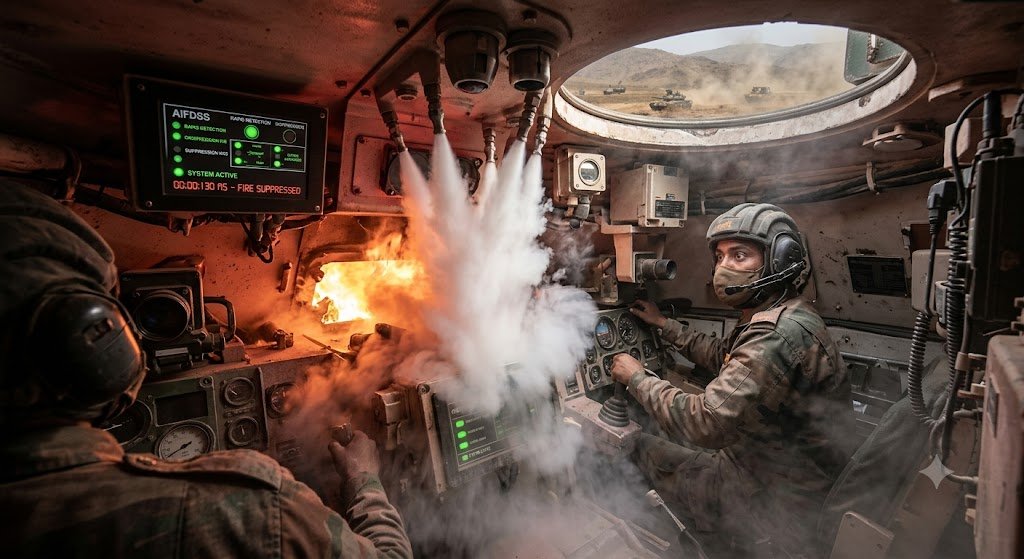
इसी खतरे को कम करने के लिए Defence Research and Development Organisation (DRDO) के Centre for Fire, Explosive and Environment Safety (CFEES) ने Advanced Instant Fire Detection and Suppression System यानी AIFDSS विकसित किया है। इसकी सबसे बड़ी खासियत है इसकी बेहद तेज प्रतिक्रिया।
जहां इंसान को खतरे का पता चलने और प्रतिक्रिया देने में कहीं ज्यादा समय लग सकता है, वहां यह सिस्टम आग को स्वतः पहचानकर suppression mechanism को सक्रिय करने के लिए बनाया गया है।
AIFDSS कितनी तेजी से आग पर पाएगा काबू ?
DRDO से संबंधित हालिया जानकारी के अनुसार परीक्षणों में crew compartment में 130 milliseconds का total fire-out time हासिल किया गया, जबकि engine section में यह करीब 10 सेकंड रहा। यानी crew compartment में आग का detection और suppression time 130 milliseconds तक है, जबकि engine compartment में यह समय 10 सेकंड तक है।
CFEES के एक अधिकारी के मुताबिक सिस्टम ने जरूरी गुणवत्ता और परीक्षण आवश्यकताएं पूरी की हैं और इसे mass manufacturing के लिए निजी क्षेत्र को उपलब्ध कराने की दिशा में पेश किया गया है। इसके अलावा-
- सिस्टम automatic तरीके से काम करता है।
- आग की स्थिति की audio-visual warning भी उपलब्ध है।
- सिस्टम में fire-event data logging की सुविधा है।
यही आंकड़ा इस तकनीक को खास बनाता है। इसका उद्देश्य केवल आग बुझाना नहीं, बल्कि आग लगने और उसके तेजी से फैलने के बीच मिलने वाले बेहद छोटे समय का इस्तेमाल करके crew को बचाना है।
AIFDSS कैसे काम करेगा?
AIFDSS को आसान भाषा में “आग दिखते ही खुद एक्टिव होने वाला सुरक्षा कवच” समझ सकते हैं। इसका उद्देश्य खास तौर पर Armoured Fighting Vehicle के अंदर आग को इतना जल्दी detect और suppress करना है कि crew को प्रतिक्रिया देने के लिए महत्वपूर्ण समय मिल सके।
1. सेंसर लगातार निगरानी करेंगे – सिस्टम वाहन के अलग-अलग हिस्सों में लगे detectors से आग के संकेतों पर नजर रखेगा।
- Crew compartment में Smart Infrared Detector (SIRD) आग से निकलने वाली infrared signature को detect करेगा।
- Engine compartment में linear thermal detector/fire wire असामान्य तापमान और आग की स्थिति को पहचानने के लिए इस्तेमाल होगा।
2. आग detect होते ही सिस्टम तुरंत फैसला करेगा
जैसे ही detector आग की पहचान करता है, information AIFDSS के electronic control/interface system तक पहुंचती है।
यहां सबसे महत्वपूर्ण बात है—crew को पहले manually fire extinguisher चलाने की जरूरत नहीं पड़ती। सिस्टम automatic suppression sequence शुरू करने के लिए बनाया गया है।
3. Suppression mechanism एक्टिव होगा
आग की पुष्टि होने के बाद automatic fire-extinguishing system सक्रिय होता है और suppression agent को प्रभावित compartment में छोड़ा जाता है।
इसका उद्देश्य आग की लपटों और उसके फैलाव को तेजी से नियंत्रित करना है।
4. Crew को warning भी मिलेगी
सिस्टम केवल आग बुझाने तक सीमित नहीं है। इसमें audio-visual warning भी है।
यानी automatic suppression शुरू होने के साथ crew को alarm/visual indication के जरिए आग की स्थिति की जानकारी मिल सकती है।
Smart Infrared Detector कैसे पहचानता है आग?
AIFDSS में crew compartment की निगरानी के लिए Smart Infrared Detectors (SIRD) का इस्तेमाल किया जाता है। ये सेंसर आग से जुड़ी infrared signatures को पहचानने के लिए काम करते हैं। इसके साथ सिस्टम में कई दूसरे hardware components भी शामिल हैं:
- Smart IR Detector Units
- Fire Wire यानी linear thermal detector
- Master/interface electronics
- Alarm-cum-flasher unit
- Display और power supply unit
- Automatic fire extinguisher
- Fire-event data logging system
BEL के अनुसार crew compartment के लिए Smart IR detectors और engine compartment के लिए linear thermal detector/fire wire इस्तेमाल किया जाता है। आग की जानकारी मिलने पर सिस्टम automatic extinguishing mechanism को activate करता है।
Arjun से T-90 तक—कहां काम आएगा?
यह तकनीक किसी एक tank तक सीमित नहीं है। इसका मूल उद्देश्य Armoured Fighting Vehicles (AFVs) को fire और explosion hazards से बचाना है।
भारत के लिए इसका महत्व इसलिए ज्यादा है क्योंकि सेना के armoured formations में अलग-अलग श्रेणी के tanks और infantry combat vehicles इस्तेमाल होते हैं।
Arjun MBT– Arjun जैसे बड़े main battle tank में crew survivability अत्यंत महत्वपूर्ण है। CFEES पहले भी Arjun सहित AFVs के लिए fire detection और suppression technology विकसित कर चुका है। DRDO के एक तकनीकी दस्तावेज में Arjun MBT Mk-II के लिए miniaturised IFDSS के विकास और परीक्षण का उल्लेख भी मिलता है।
T-90– भारत का T-90 भी ऐसा platform है जहां automatic fire detection और suppression जैसी technology crew protection की एक अतिरिक्त layer बन सकती है। BEL की मौजूदा product listing में T-90 के लिए विभिन्न tank electronic systems के साथ fire-detection/suppression technologies भी दर्ज हैं।
Zorawar Light Tank – भारत का नया Zorawar light tank high-altitude warfare के लिए विकसित किया जा रहा है। ऐसे हल्के AFV में crew protection का महत्व और बढ़ जाता है, क्योंकि कम वजन बनाए रखते हुए survivability बढ़ाना चुनौतीपूर्ण होता है।
हालांकि उपलब्ध आधिकारिक स्रोतों के आधार पर यह कहना सही नहीं होगा कि AIFDSS अभी Zorawar में operationally integrate हो चुका है। लेकिन AFV-oriented इस technology का भविष्य के भारतीय armoured platforms में इस्तेमाल एक स्वाभाविक संभावना है।
डेटा भी बचाएगा सिस्टम
AIFDSS की एक कम चर्चित लेकिन उपयोगी विशेषता इसका event logging है। सिस्टम fire events का रिकॉर्ड रख सकता है, जिससे बाद में यह समझने में मदद मिल सकती है कि आग कब और किस परिस्थिति में detect हुई।
हालिया जानकारी के मुताबिक सिस्टम में पिछले 200 fire events तक का data storage memory उपलब्ध है। इससे maintenance, troubleshooting और post-fire analysis में मदद मिल सकती है।
सिस्टम में built-in test facility भी है, जबकि DRDO की export documentation में environmental और electromagnetic compatibility qualification का उल्लेख किया गया है।
मौजूदा टैंकों में Fire Protection कैसे होती है?
AIFDSS से पहले भी आधुनिक टैंकों में आग से बचाव के कई सिस्टम मौजूद हैं। फर्क यह है कि ये अलग-अलग स्तर पर सुरक्षा देते हैं—कुछ आग को पहचानते और बुझाते हैं, जबकि कुछ आग लगने की संभावना या उसके असर को कम करते हैं।
| सिस्टम | क्या करता है? | फायदा |
| Fire Detection System (FDS) | सेंसर से आग/असामान्य तापमान का पता लगाता है | Crew को जल्दी चेतावनी |
| Automatic Fire Suppression System (AFSS) | आग detect होते ही extinguisher system सक्रिय करता है | Crew को manually fire extinguisher चलाने की जरूरत कम |
| Manual Fire Extinguishers | Crew खुद extinguisher इस्तेमाल करता है | छोटे fire incidents में backup |
| Engine Fire Suppression | Engine compartment में लगी आग को suppress करता है | इंजन से आग के crew compartment तक फैलने का खतरा घटता है |
| Ammunition Protection | ammunition को अलग/सुरक्षित रखने और blast/flash के असर को कम करने की व्यवस्था | ammunition fire होने पर crew survivability बढ़ सकती है |
| Self-sealing/Protected Fuel Systems | fuel leakage और आग के जोखिम को कम करने के लिए protection | fuel-related fire का खतरा घटता है |
| NBC/Overpressure System | मुख्य रूप से nuclear/biological/chemical threats से protection | सीधे fire suppression नहीं, लेकिन crew protection architecture का हिस्सा |
| Armour/Spall Protection | penetration के बाद अंदर उड़ने वाले fragments और spall से बचाव | hit के बाद secondary injuries/fire risk कम करने में मदद |