समुद्र के ऊपर दिखाई देने वाले युद्धपोत और फाइटर प्लेन नौसैनिक ताकत का सिर्फ एक हिस्सा हैं। असली चुनौती कई बार पानी के नीचे छिपी होती है, जहां submarine, underwater drone, sea mine और seabed sensors बिना दिखाई दिए पूरे maritime क्षेत्र को प्रभावित कर सकते हैं।
इसी underwater battlefield को ध्यान में रखते हुए भारत ने फ्रांस के साथ एक नया Industrial & Technological Cooperation रास्ता खोला है।
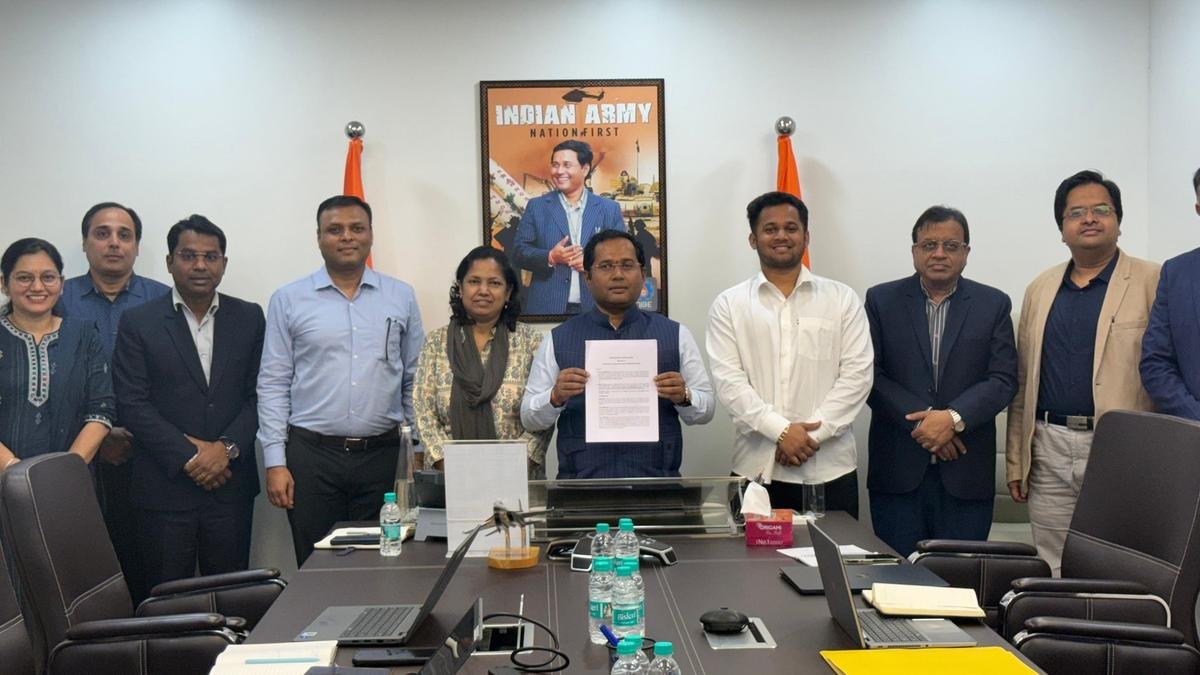
18 सितंबर को भारतीय डिफेंस मैन्युफैक्चरिंग कंपनी NIBE Group और फ्रांस की नेवल डिफेंस कंपनी Naval Group ने रणनीतिक MoU किया। इसका दायरा सिर्फ जहाज बनाने तक सीमित नहीं है। आधिकारिक तौर पर इसमें underwater drones, submarines में उनकी integration, mine-countermeasure systems, future weapon-ready modular launchers और underwater submarine technologies शामिल हैं।
यानी भारत अब underwater warfare को अलग-अलग हथियारों की बजाय एक interconnected system के रूप में विकसित करने की दिशा में बढ़ रहा है।
NIBE और Naval Group कौन हैं?
इस समझौते को समझने से पहले दोनों कंपनियों को जानना जरूरी है।
भारतीय defence manufacturing company NIBE Limited का registered office महाराष्ट्र के चाकण में है और corporate offices मुंबई व पुणे में हैं। इसका मुख्य काम defence के लिए weapons, systems, components और platforms की manufacturing तथा technology development है।
NIBE के कई defence divisions हैं:-
- Land Systems — जमीन पर इस्तेमाल होने वाले defence systems
- Air Systems — air-combat और counter-drone solutions
- Naval Systems — naval warfare systems
- Defence Electronics — embedded electronics, military software और weapon integration
- Space — satellite और intelligence-related technologies
Naval Group फ्रांस की प्रमुख naval-defence company है और इसका headquarters Paris, France में है। यह सिर्फ जहाज बनाने वाली कंपनी नहीं है। Naval Group खुद को warships और combat systems का designer, builder और systems integrator बताती है।
इसका काम मुख्य रूप से:-
- Submarines
- Surface warships
- Naval combat systems
- Weapons और sensors का integration
- Ship modernisation
- Maintenance और lifecycle support
- Naval infrastructure तक फैला हुआ है।
भारत में Naval Group की मौजूदगी खास तौर पर भारतीय नौसेना की Kalvari-class submarines और Project-75 programme से जुड़ी रही है।
यही वजह है कि दोनों कंपनियों का नया सहयोग underwater domain में खास महत्व रखता है।
MoU को कैसे समझें ?
इस MoU को पांच प्रमुख हिस्सों में समझा जा सकता है:
Underwater Drones → Submarine Integration → Mine Warfare → Modular Weapon Launchers → Submarine Technologies
यही इस पूरे समझौते की सबसे महत्वपूर्ण कड़ी है।
1. Underwater Drones
Underwater drone को आसान भाषा में पानी के नीचे चलने वाला unmanned vehicle समझिए। इसे अलग-अलग sensors के साथ surveillance, seabed mapping, mine detection और दूसरे underwater missions के लिए इस्तेमाल किया जा सकता है।
नया MoU खास इसलिए है क्योंकि इसमें केवल underwater drones बनाने की बात नहीं है, बल्कि इन drones को submarines पर integrate करने की बात स्पष्ट रूप से कही गई है।
इसका मतलब भविष्य में submarine अकेले काम करने वाला platform नहीं रहेगा। उसके साथ underwater unmanned systems भी mission area में काम कर सकते हैं।
2. Submarine Integration
यानी सबमरीन अब अकेले नहीं लडेगी। फिर अगला बड़ा सवाल है कि underwater drone को submarine से जोड़ने की जरूरत क्यों?
क्योंकि submarine का सबसे बड़ा फायदा उसका stealth है। यदि उसके आसपास surveillance या reconnaissance का काम छोटे unmanned underwater systems कर सकें, तो submarine को हर जगह खुद जाकर जोखिम लेने की जरूरत कम हो सकती है।
MoU फिलहाल उस technology cooperation का framework देता है जिसके भीतर ऐसे solutions पर काम किया जा सकता है। और यही इसे भविष्य के submarine programmes के लिए महत्वपूर्ण बनाता है।
3. Mine Warfare
इसके बाद आता है Mine Countermeasure यानी MCM।
Sea mine पानी के नीचे छिपाकर रखा गया ऐसा explosive naval weapon है जो किसी जहाज के गुजरने पर उसे नुकसान पहुंचा सकता है। इसलिए naval forces के लिए mine detection और clearance बेहद महत्वपूर्ण capability है।
NIBE के Naval Systems portfolio में MCM के लिए कई technologies का उल्लेख है। इनमें:-
- Autonomous Surface Vessel
- Heavy-weight Autonomous Underwater Vehicle
- Sonar
- Mine identification
- Mine disposal systems शामिल हैं।
इस architecture का उद्देश्य सिर्फ mine को ढूंढना नहीं है। एक modern MCM operation में उसे detect, identify और neutralise करना भी जरूरी होता है।
भारत-फ्रांस MoU में इसी Mine Countermeasure क्षेत्र और उससे जुड़ी engineering को cooperation का हिस्सा बनाया गया है। यानी underwater drone और mine warfare यहां एक-दूसरे से सीधे जुड़ते हैं।
4. Modular Weapon Launchers
MoU का एक और महत्वपूर्ण हिस्सा है future weapon-ready modular launching systems।
Modular launcher का मूल विचार यह है कि launcher को किसी एक weapon तक स्थायी रूप से सीमित न रखा जाए। जरूरत और mission के हिसाब से अलग payload या weapon configuration अपनाई जा सके।
भारत-फ्रांस MoU में भविष्य के weapon-ready modular launch systems पर cooperation का उल्लेख इसी broader technological direction को दिखाता है।
5. Submarine Technologies
MoU का सबसे व्यापक हिस्सा है underwater submarine systems and technologies।
इसका मतलब केवल submarine की hull या propulsion technology नहीं मान लेना चाहिए। आधिकारिक घोषणा ने इसे व्यापक technological cooperation area के रूप में रखा है।
यानी भारत के लिए संभावित तस्वीर कुछ ऐसी बनती है:-
| Underwater Layer | क्या विकसित करने की दिशा |
| Underwater drones | Unmanned underwater missions |
| Submarine integration | submarine + unmanned systems |
| Mine warfare | detection, identification, neutralisation |
| Modular launchers | अलग-अलग weapons के लिए flexible launch architecture |
| Submarine technologies | underwater systems और technology ecosystem |
इन पांचों को अलग-अलग देखने के बजाय एक साथ देखना ज्यादा महत्वपूर्ण है।
भारत के लिए इसका कितना महत्व?
भारत की maritime security केवल अरब सागर या बंगाल की खाड़ी तक सीमित नहीं है। हिंद महासागर क्षेत्र में submarine activity, sea lanes और underwater infrastructure का महत्व लगातार बढ़ रहा है। चीन एक बड़ी चुनौती बन चुका है।
ऐसे माहौल में future naval warfare में सिर्फ ज्यादा submarines होना पर्याप्त नहीं होगा। जरूरत होगी कि submarine, unmanned systems, sensors, mine warfare और weapons एक network की तरह काम करें।
भारत-फ्रांस का नया MoU इसी दिशा में एक industrial cooperation framework बनाता है।
भारत के पास अभी क्या है और आगे क्या बना रहा है?
भारत की underwater warfare capability अब सिर्फ submarines तक सीमित नहीं है। भारतीय नौसेना के पास Kalvari-class diesel-electric submarines, Arihant-class nuclear-powered ballistic missile submarines, heavyweight और lightweight torpedoes, anti-torpedo systems, naval mines, sonar और underwater surveillance technologies का पूरा ecosystem है।
इसके साथ DRDO autonomous underwater vehicles, underwater-launched UAV और next-generation underwater weapons पर काम कर रहा है।
जनवरी 2026 में DRDO के NSTL (Naval Science & Technological Laboratory– मुख्यालय विशाखापत्तनम, आंध्र प्रदेश) में ALWT, Varunastra, EHWT, MIGM, PBGM, Torbuster, SMART, HEAUV और SWARM जैसी underwater technologies का प्रदर्शन भी हुआ।
अभी भारत की Underwater Warfare ताकत
| क्षेत्र | भारत की मौजूदा क्षमता/प्रोजेक्ट | स्थिति/महत्व |
| Conventional Submarines | Project-75 Kalvari-class | 6 की पूरी सीरीज; INS Vagsheer जनवरी 2025 में commissioned |
| Nuclear Submarines | Arihant-class SSBN | Strategic nuclear deterrence की underwater capability |
| Submarine Endurance | DRDO Indigenous AIP | Project-75 submarines में AIP integration के लिए programme |
| Heavyweight Torpedo | Varunastra | भारतीय नौसेना के लिए indigenous heavyweight torpedo |
| Electronic Heavyweight Torpedo | EHWT | DRDO-developed; Kalvari-class पर integration का ₹877 करोड़ का contract |
| Advanced Lightweight Torpedo | ALWT | DRDO/NSTL का indigenous anti-submarine weapon; trials complete |
| Anti-Torpedo Defence | Maareech | आने वाले torpedo threat को detect/decoy करने की capability |
| Naval Mines | MIGM (Multi-Influence Ground Mine), PBGM (Programmable Bottom Ground Mine) | Indigenous underwater mine technologies |
| Anti-Submarine Warfare | Sonar + Lightweight Torpedoes + Rocket Launchers | Frigates और ASW shallow-water craft में उपयोग |
| Unmanned Underwater Systems | HEAUV (Heavyweight Autonomous Underwater Vehicle), SWARM, AUVs | Underwater surveillance और autonomous operations की दिशा |
| Submarine-launched UAV | ULUAV (Underwater-Launched Unmanned Aerial Vehicle) programme | DRDO + Sagar Defence; submarine से UAV launch करने की technology development |
| Indigenous Sonar | USHUS-2, HUMSA-NG/UG, ABHAY, ALTAS आदि | Underwater detection और acoustic surveillance |
| Future Weapon | SMART | Supersonic Missile Assisted Release of Torpedo; long-range ASW concept |
Project-75 के तहत भारत ने छह Kalvari-class submarines पूरी कर ली हैं—Kalvari, Khanderi, Karanj, Vela, Vagir और Vagsheer। INS Vagsheer जनवरी 2025 में commissioned हुई।
चीन और पाकिस्तान की Underwater Warfare क्षमता?
चीन के पास बड़ी submarine force, nuclear submarines, modern AIP-equipped conventional submarines और तेजी से विकसित हो रहे unmanned underwater systems हैं।
पाकिस्तान की ताकत मुख्य रूप से AIP (Air-Independent Propulsion)-equipped conventional submarines पर टिकी है और उसका सबसे बड़ा ongoing programme चीन से मिलने वाली 8 Hangor-class submarines हैं। इसलिए पाकिस्तान की अगली छलांग मुख्यतः submarine fleet के विस्तार और indigenous submarine-building capability से जुड़ी है।
जबकि चीन underwater warfare को submarines + unmanned systems + seabed/mine warfare की ज्यादा व्यापक दिशा में ले जा रहा है।
चीन: बड़ी Submarine Force से Unmanned Underwater Warfare तक
| क्षमता | चीन की मौजूदा स्थिति | आगे का फोकस |
| Nuclear SSBN | 6 Type 094 | अगली पीढ़ी की SSBN capability |
| Nuclear Attack Submarines | Type 093/Shang family | नए SSN development |
| Conventional Submarines | 10 Kilo + 13 Type 039 + 21 Type 039A/B + कुछ Type 039C | Modern conventional boats |
| AIP | Yuan/Type 039A/B family में | अधिक advanced conventional submarines |
| Torpedo/Strike | Torpedoes और submarine-launched missiles | Long-range underwater strike |
| UUV/AUV | Development/testing जारी | Surveillance, reconnaissance, mine warfare |
| Unmanned Warfare | USV और UUV दोनों पर investment | बड़े-scale autonomous maritime operations |
पाकिस्तान की मौजूदा underwater warfare capability–
| क्षमता | पाकिस्तान की स्थिति | आगे का फोकस |
| Hangor-class | 8 का programme | पूरी fleet को operational करना |
| पहली Hangor | PNS/M Hangor commissioned April 2026 | बाकी 7 की delivery |
| AIP | Hangor और Khalid/Agosta 90B में | AIP submarine fleet बढ़ाना |
| Khalid-class | 3 Agosta 90B submarines | Modernisation |
| Agosta 70 | पुरानी conventional submarines | Legacy capability |
| Torpedoes | Submarine-launched heavyweight torpedo capability | New-generation weapons |
| Sensors | Sonar और modern combat systems | Further upgrades |
| Indigenous construction | 4 Hangor Pakistan में | Submarine-building expertise बढ़ाना |
| UUV/Underwater systems | सीमित/development focus | Autonomous underwater capability |